

Retail displays, counters & POS units.
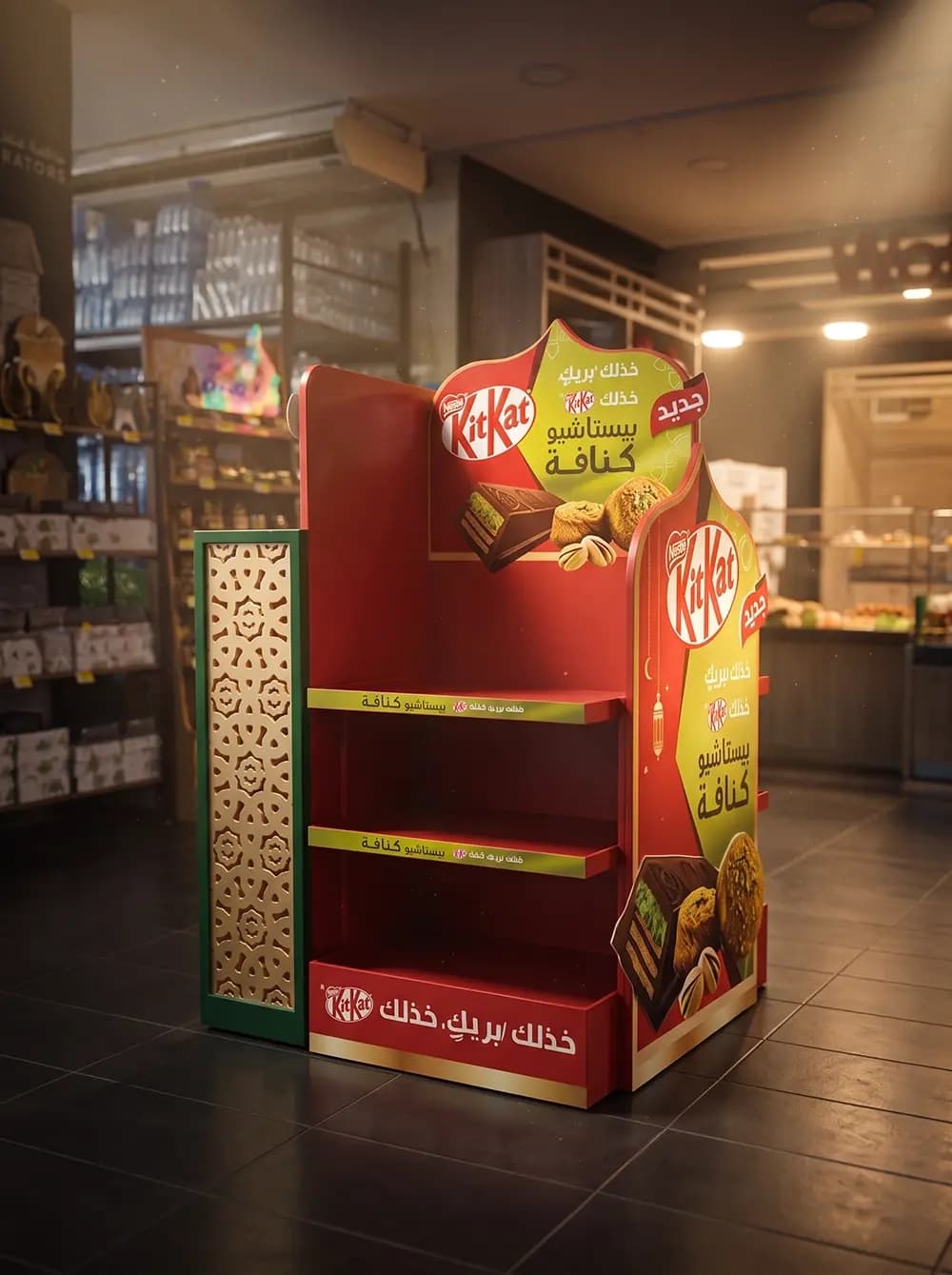
Retail displays are custom-built units that give a product its own space on the shop floor. Proink designs, manufactures and installs retail displays, counters and POS materials across Lebanon, from a single launch unit to a rollout across an entire supermarket chain.
What's included
- Free-standing units (FSUs)
- Gondola ends
- Podiums & pallet displays
- Counters & POS units
- Shop-in-shop counters
- Shelf units & risers
- POSM
- Window displays
- In-store branding
- Custom furniture
What makes a retail display actually work?
Most displays fail for one of two reasons. They look good in a render but cannot hold the stock the brand needs on shelf, or they hold the stock but disappear into the aisle around them. A display has to do both jobs at once: interrupt a shopper walking past at normal speed, then carry enough product to justify the space the retailer gave you.
We design around both constraints from the first sketch. Before we draw anything, we ask how many facings the unit needs to hold, where in the store it will stand, what the retailer's rules allow, and how long it needs to survive. A display near a supermarket entrance takes physical abuse that a beauty counter in a mall never will. Those answers change the material, the structure and the finish, and it is far cheaper to answer them at sketch stage than after production.
What types of retail displays does Proink build?
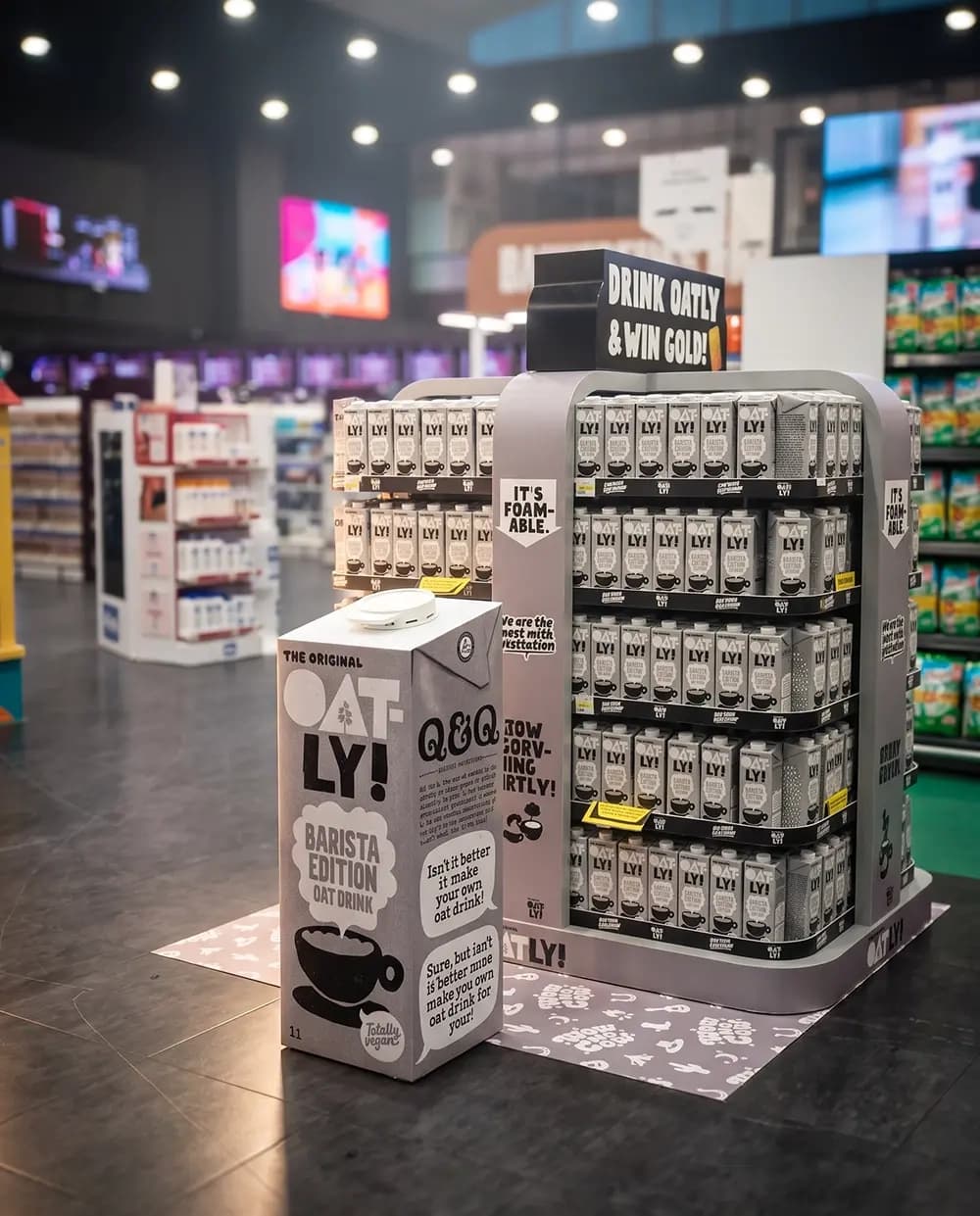
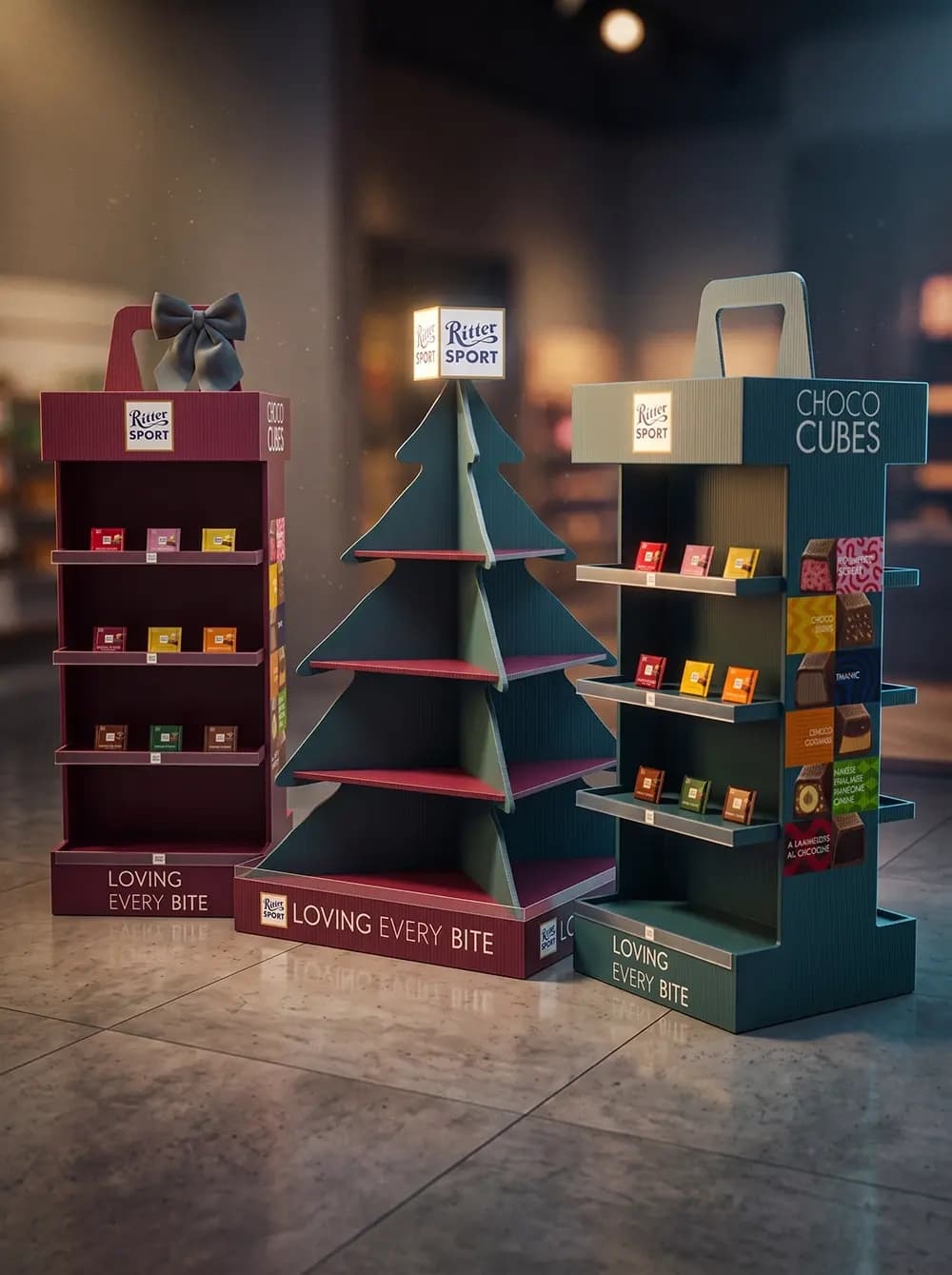
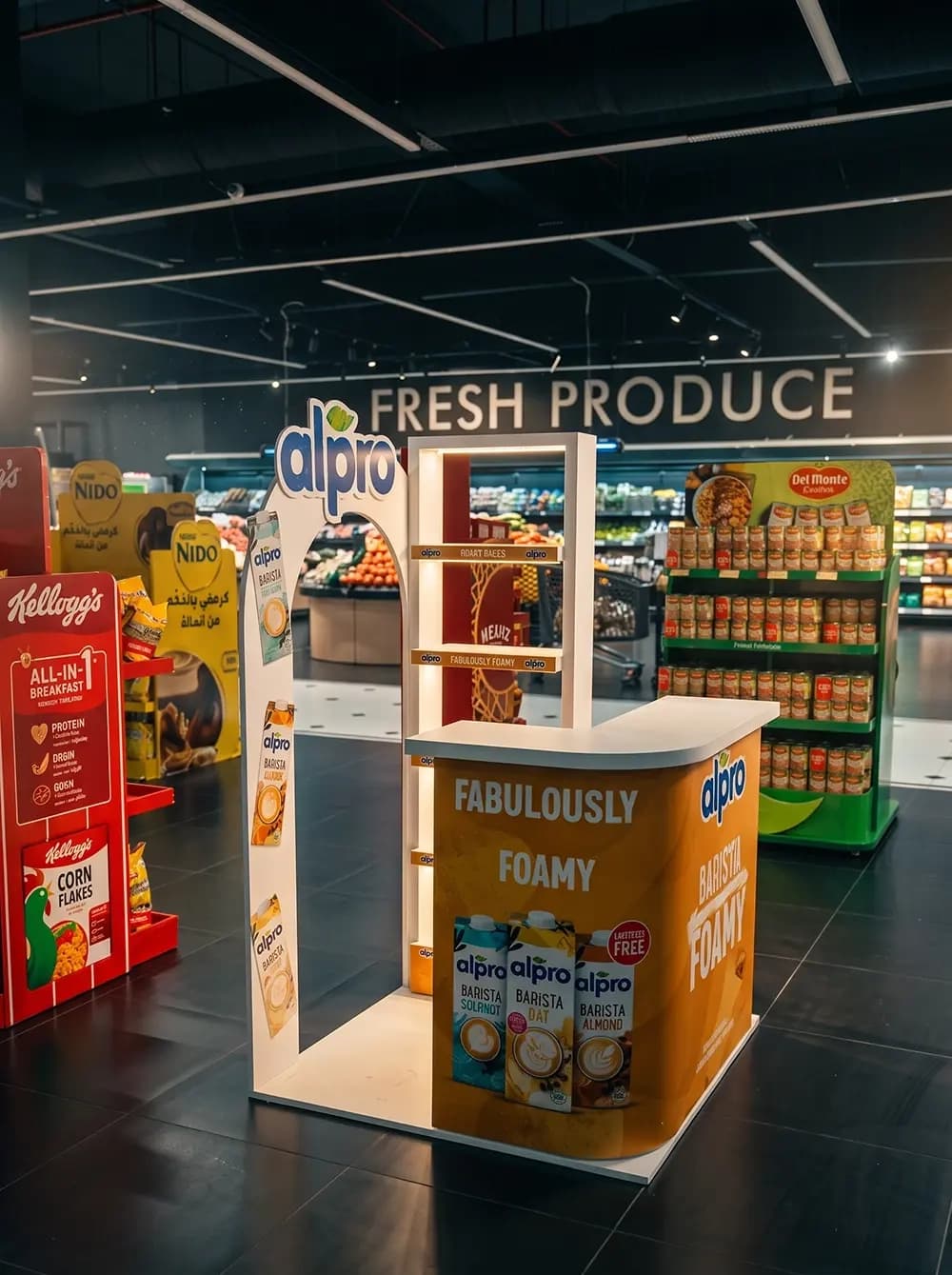
Free-standing units, or FSUs, are the workhorse of retail. They stand alone in an aisle or at an entrance and carry a single brand's story. We build them in cardboard for short promotional runs and in wood, MDF, metal or acrylic when they need to last a full season or longer.
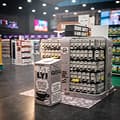
Gondola ends are the premium real estate at the end of a supermarket aisle. Because they face oncoming traffic, they earn the highest visibility in the store, and retailers charge accordingly. The build has to justify the rental.
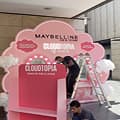
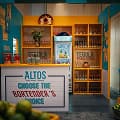
Counters and shop-in-shop units are the most demanding category. These are permanent or semi-permanent fixtures, often with lighting, screens and lacquered finishes, and they sit in flagship locations where the brand's reputation is on display. We have built these for beauty and premium retail, where finish quality is scrutinised closely.
Podiums, pallet displays, shelf risers and POSM cover everything else: the smaller pieces that carry a campaign across a store without taking floor space.
What materials do you build displays from?
Cardboard and corrugated board suit short promotions running four to eight weeks, where cost matters more than lifespan. MDF and wood are the standard for semi-permanent units and counters, because they are stable and take almost any finish.
Acrylic, commonly called plexi, is used where light needs to pass through or where a high-gloss premium finish is required. Metal handles structural frames and any unit carrying heavy stock. Most permanent counters combine several of these.
Finishing is where a build either looks professional or looks homemade. We work in lacquer, laminate, printed vinyl, powder coating and integrated LED, all in-house.
How long does a retail display take to produce?
A straightforward promotional unit can move from approved design to installed in one to two weeks. A complex counter with lighting, screens and custom finishes typically takes three to five weeks. A chain-wide rollout depends less on production than on installation scheduling across branches.
The variable that moves the timeline most is approval speed, not manufacturing. Every day spent waiting on artwork sign-off is a day the production floor sits idle. We render the unit in 3D before we build precisely so approvals happen once, not three times.
Why produce displays in Lebanon rather than import?
Imported displays look cheaper on a quotation and rarely stay cheaper. Shipping adds weeks, customs adds unpredictability, and any error becomes a six-week problem instead of a two-day one. Local production means we can put a physical sample in front of you, change a finish after you have seen it, and install with the same team that built it.
It also means one point of accountability. When the display is designed, produced and installed by the same company, there is nobody to pass blame to.